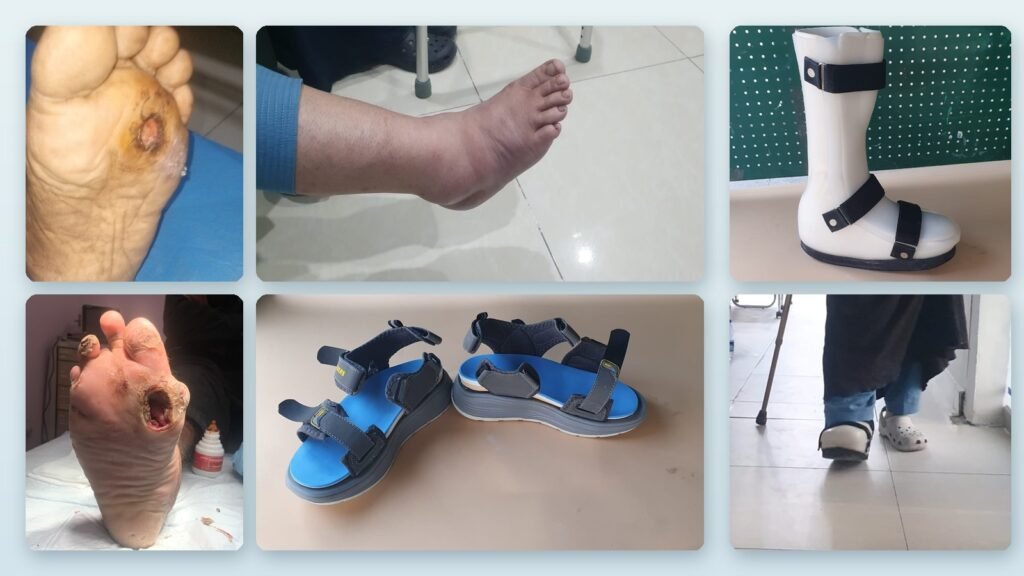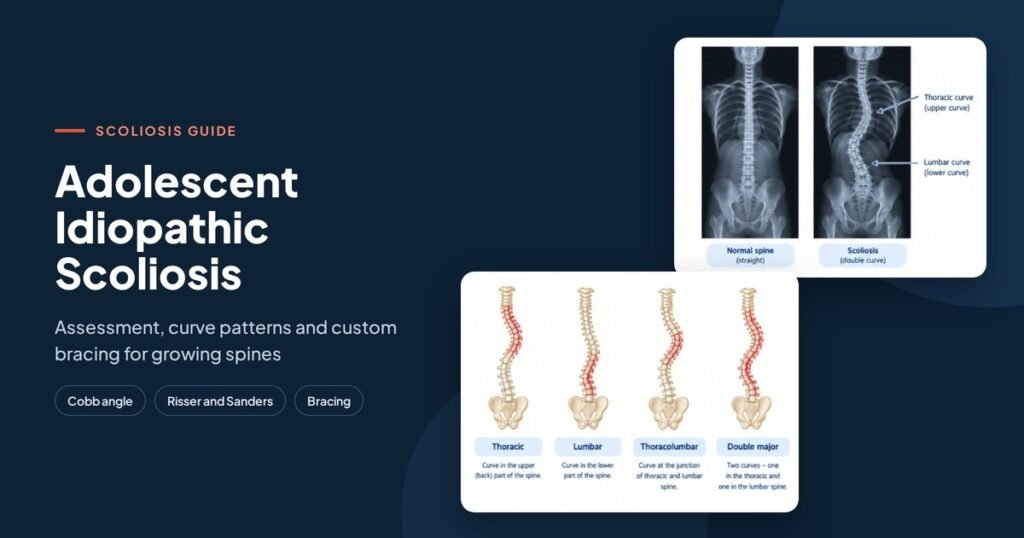
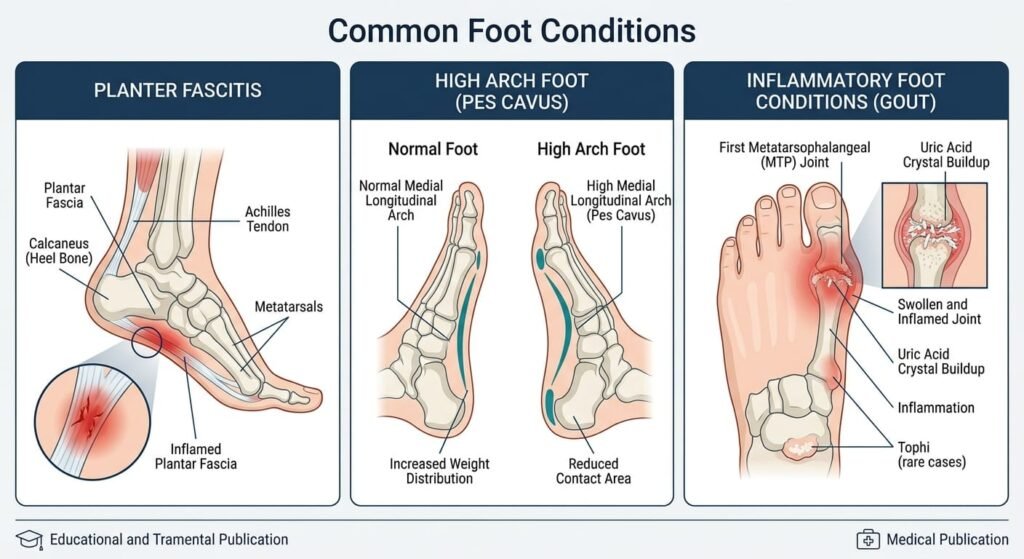
Orthotics for foot deformities, such as custom foot orthoses, ankle-foot orthoses (AFOs) and therapeutic footwear, help redistribute pressure, support weakened structures and accommodate changes in foot shape. Used alongside proper diagnosis and medical care, they can reduce pain and help people walk with more comfort and confidence. This guide explains the most common foot deformities and painful inflammatory conditions, how they affect mobility, and where orthotic treatment fits into evidence-informed care.
Key takeaways:
- Foot deformities and inflammatory conditions can change walking mechanics, raise pressure on parts of the foot and reduce quality of life.
- Foot orthoses, AFOs, therapeutic footwear and shoe modifications can ease pain, protect vulnerable tissue and improve function.
- Orthotics support treatment. They do not replace medical care for infection, gout, rheumatoid arthritis or active Charcot foot.
- The best results come from individualized assessment, correct fitting and regular follow-up.
The human foot is a remarkable biomechanical structure that supports body weight, absorbs impact, maintains balance and enables efficient walking. Each foot contains 26 bones, numerous joints, muscles, tendons and ligaments that work together to provide stability and flexibility. When these structures function effectively, they allow us to walk, stand, work, exercise and take part in everyday activities with comfort and confidence.
However, foot deformities, inflammatory conditions, injuries, neurological disorders and diseases such as diabetes can interfere with normal foot function. Even relatively small structural abnormalities can alter walking mechanics, cause pain and increase pressure on specific areas of the foot. If not appropriately managed, these problems may contribute to reduced mobility, skin damage, falls and a decline in quality of life.
Orthotic intervention plays an important role in the conservative management of many foot conditions. Foot orthoses, ankle-foot orthoses (AFOs), therapeutic footwear and specialized footwear modifications can help redistribute pressure, accommodate deformities, support weakened structures and improve functional mobility. Clinical guidelines also recognize the importance of appropriate footwear and orthotic management in protecting vulnerable feet, particularly in people with diabetes and inflammatory arthritis [1–4].
This article reviews common foot deformities and painful inflammatory conditions, their effects on mobility, and the contribution of evidence-informed orthotic intervention to patient care.
1. Understanding Foot Deformities
Foot deformities may be congenital, meaning present from birth, or acquired later in life. They can develop because of genetic factors, abnormal biomechanics, muscle imbalance, neurological conditions, trauma, arthritis, diabetes or other medical conditions. Not every structural variation requires treatment. Intervention becomes important when a deformity causes pain, instability, functional limitations, skin problems or an increased risk of injury.
1.1 Flatfoot (Pes Planus)
Flatfoot is characterized by a reduced or absent medial longitudinal arch. In some individuals, it is a flexible, painless variation that does not require treatment. In others, particularly when it develops during adulthood, it may be associated with pain, fatigue, altered walking mechanics or posterior tibial tendon dysfunction.
Orthotic management: Foot orthoses may help support the arch, redistribute loading and reduce symptoms. More pronounced deformity or ankle instability may require an AFO or specialized brace. Treatment should be based on the flexibility of the deformity, symptoms, functional limitations and underlying cause [5].
1.2 High-Arched Foot (Pes Cavus)
Pes cavus describes an unusually high medial longitudinal arch. Reduced adaptability of the foot may contribute to increased pressure beneath the heel and forefoot. Patients may experience calluses, recurrent ankle sprains, pain or difficulty finding suitable footwear. In some cases, pes cavus is associated with an underlying neurological disorder.
Orthotic management: Custom foot orthoses may help redistribute plantar pressure and improve comfort. Cushioning, appropriate footwear and features that improve stability may also be beneficial. A Cochrane review reported improvements in pain and function with custom foot orthoses in a studied population with painful pes cavus, although the overall evidence base was limited [6].
1.3 Hallux Valgus (Bunion)
Hallux valgus is a deformity in which the great toe deviates towards the lesser toes, often accompanied by prominence of the first metatarsal head. Symptoms may include pain, redness, irritation from footwear and difficulty finding comfortable shoes.
Orthotic management: Wider footwear, protective padding and selected foot orthoses may help reduce pressure and discomfort. Toe spacers may be useful for some patients, but they should not be presented as a reliable way to reverse an established deformity. A systematic review found that nonsurgical interventions may improve pain in some patients, although evidence for consistent correction of the deformity remains limited [7].
1.4 Hallux Rigidus
Hallux rigidus is a degenerative condition of the first metatarsophalangeal joint that causes pain and restricted movement of the great toe. Walking and pushing off during the gait cycle may become painful.
Orthotic management: Stiff-soled footwear, rocker-bottom soles or a rigid extension beneath the great toe may help reduce painful joint movement. The appropriate intervention depends on the severity of joint degeneration, symptoms and functional requirements.
1.5 Clubfoot (Congenital Talipes Equinovarus)
Clubfoot is a congenital deformity involving a combination of foot and ankle abnormalities, including cavus, forefoot adduction, hindfoot varus and equinus. Without appropriate treatment, it can significantly affect walking and footwear tolerance.
Management: The Ponseti method, involving manipulation and serial casting followed by additional treatment when indicated, is widely recommended for primary idiopathic clubfoot. A prescribed foot-abduction brace is essential during follow-up to help maintain correction. Ordinary foot orthoses should not be confused with this specialized brace [8].
1.6 Hammer Toes and Claw Toes
Hammer toes and claw toes involve abnormal bending of the lesser toes. They may develop because of muscle imbalance, footwear pressure, arthritis or neurological conditions. Symptoms include corns, calluses, pain and difficulty wearing shoes.
Orthotic management: Toe padding, accommodative insoles and footwear with adequate depth and width may reduce friction and pressure. Rigid deformities may require specialized footwear or further clinical assessment.
1.7 Charcot Foot
Charcot neuro-osteoarthropathy is a serious condition involving progressive bone and joint damage in a foot affected by peripheral neuropathy. Diabetes is a common underlying cause. During the active phase, the foot may become unusually warm, red and swollen, sometimes with relatively little pain despite significant underlying damage.
Management and orthotic intervention: Suspected active Charcot foot requires urgent medical assessment. Prompt immobilization and offloading, usually with an appropriately selected knee-high device under specialist supervision, are essential to reduce the risk of further damage. Once the active phase has resolved, protective footwear, custom orthoses or a Charcot restraint orthotic walker (CROW) may be indicated to accommodate deformity and protect the foot [1, 2].
2. Common Inflammatory and Painful Foot Conditions
Inflammatory and painful conditions may affect the tendons, ligaments, bursae, joints, fascia, nerves and surrounding soft tissues of the foot. Some conditions are primarily inflammatory, while others are degenerative, mechanical, neurological or infectious. Correct identification of the underlying condition is important because orthotic intervention may help manage symptoms, but it cannot replace necessary medical treatment.
2.1 Plantar Fasciitis (Plantar Fasciopathy)
Plantar fasciitis is a common cause of pain beneath the heel, particularly during the first steps after waking or after a period of rest. Persistent cases often involve degenerative changes in the plantar fascia, which is why the term plantar fasciopathy is also used.
Orthotic management: Supportive footwear, heel cushioning and selected foot orthoses may help reduce symptoms. However, foot orthoses should not be relied on as the only short-term treatment. They work best as part of a broader plan involving stretching, progressive exercise, activity modification and other appropriate interventions [9].
2.2 Achilles Tendinopathy
Achilles tendinopathy affects the tendon connecting the calf muscles to the heel bone. Symptoms may include pain, stiffness and reduced tolerance for walking, climbing stairs or physical activity.
Orthotic management: A temporary heel lift may reduce tendon loading in selected cases. Appropriate footwear and activity modification may also help. Progressive strengthening and rehabilitation remain important components of treatment, so orthoses should be considered an adjunct rather than a universal or stand-alone solution [10].
2.3 Retrocalcaneal Bursitis
Retrocalcaneal bursitis involves irritation or inflammation of the bursa between the Achilles tendon and the heel bone. It can cause pain and swelling at the back of the heel, particularly when footwear presses against the affected area.
Orthotic management: Appropriate footwear, reduced pressure over the heel, cushioning and selected heel lifts may improve comfort. Persistent symptoms require clinical assessment to identify associated tendon or bone problems.
2.4 Metatarsalgia and Intermetatarsal Bursitis
Metatarsalgia describes pain in the ball of the foot, often beneath the metatarsal heads. It is a symptom rather than a single diagnosis. Intermetatarsal bursitis involves irritation or inflammation of a bursa between the metatarsal bones.
Orthotic management: Metatarsal pads, appropriately positioned metatarsal domes, cushioning and footwear with adequate forefoot width may help redistribute pressure. Custom foot orthoses may reduce forefoot pain in selected conditions, although outcomes depend on the underlying diagnosis and individual presentation [11]. Correct pad placement is important because an incorrectly positioned pad may increase discomfort.
2.5 Posterior Tibial Tendon Dysfunction
The posterior tibial tendon helps support the medial arch and stabilize the foot during walking. Tendon dysfunction can contribute to acquired flatfoot, pain along the inner ankle and progressive changes in foot alignment.
Orthotic management: Depending on the stage and flexibility of the deformity, treatment may include a supportive foot orthosis, an AFO or a more controlling brace. Early assessment is valuable because progressive deformity may require more comprehensive management.
2.6 Sesamoiditis
Sesamoiditis involves irritation of the small sesamoid bones and surrounding tissues beneath the first metatarsophalangeal joint. It can cause pain beneath the great toe, particularly during push-off or activities that place high loads on the forefoot.
Orthotic management: A carefully designed insole may incorporate cushioning or a relief area beneath the sesamoids to reduce direct pressure. Activity modification and suitable footwear are also important. Other causes of pain, including fracture, should be excluded when clinically indicated.
2.7 Gouty Arthritis
Gout is an inflammatory form of arthritis caused by the deposition of monosodium urate crystals in joints. It frequently affects the great toe and can produce sudden, intense pain, redness, heat and swelling.
Management: Medical assessment and appropriate treatment are necessary to manage acute attacks and reduce future episodes. During painful periods, accommodating footwear and avoidance of direct pressure may improve comfort. Orthoses may assist with selected mechanical symptoms but do not treat the underlying crystal disease [12].
2.8 Rheumatoid Arthritis of the Foot
Rheumatoid arthritis is a systemic inflammatory disease that may affect multiple foot joints and surrounding soft tissues. It can cause pain, swelling, joint instability, forefoot deformity and difficulty walking.
Orthotic management: Depending on the patient’s needs, treatment may include cushioning, pressure redistribution, accommodative insoles, metatarsal support and therapeutic footwear. More complex deformities may require custom footwear or specialist bracing. Clinical guidelines support individualized foot-health care, including appropriate orthoses and therapeutic footwear, to help reduce pain and improve function in people with rheumatoid or other inflammatory arthritis [3, 4]. Orthotic care should complement, not replace, medical treatment of the underlying inflammatory disease.
2.9 Tarsal Tunnel Syndrome
Tarsal tunnel syndrome occurs when the posterior tibial nerve or its branches are compressed near the inner ankle. Symptoms may include burning, tingling, numbness or pain extending into the sole of the foot. Although swelling or inflammation may contribute in some cases, this is primarily a nerve-compression condition rather than a primary inflammatory disease.
Orthotic management: Footwear changes and selected orthoses may help when abnormal foot mechanics contribute to symptoms. Diagnosis and treatment must also address the cause of nerve compression. Persistent numbness, weakness or worsening symptoms warrant clinical assessment.
2.10 Cellulitis and Foot Soft-Tissue Infection
Cellulitis is a bacterial infection of the skin and underlying soft tissues. It may cause redness, warmth, swelling, tenderness and sometimes fever. It is particularly important to recognize in people with diabetes, neuropathy or an existing foot wound.
Management: Cellulitis requires prompt medical assessment and appropriate treatment, often including antibiotics. Orthoses are not a treatment for infection. A red, hot, swollen foot, especially in someone with diabetes or reduced sensation, must not automatically be attributed to mechanical irritation.
3. How Foot Problems Affect Mobility and Quality of Life
Foot conditions can affect far more than the feet themselves. Persistent pain may change a person’s walking pattern, reduce walking speed and make standing for extended periods difficult. Patients may avoid stairs, exercise, shopping, social activities or work because they anticipate pain or discomfort.
Changes in foot mechanics can also affect balance and stability. Some individuals develop compensatory movements that place additional stress on other joints. The extent of these effects varies, and not every foot deformity causes problems elsewhere in the body.
Skin complications are another important concern. Excessive pressure and friction may produce calluses, corns, blisters and ulcers. For people with diabetes or peripheral neuropathy, reduced protective sensation may allow a minor injury to progress without the person noticing it. Diabetes-related foot care therefore includes regular assessment, appropriate footwear and pressure management when indicated [1].
The emotional effects should not be overlooked. A person who struggles to walk comfortably may become less independent, reduce social participation or feel anxious about falling or developing a wound. Effective foot care should therefore consider not only structural alignment but also the patient’s daily activities, personal goals, occupation, footwear needs and quality of life.
4. The Role of Orthotics for Foot Deformities and Foot Pain
Effective orthotics for foot deformities start with assessing the relationship between foot structure, movement, pressure, footwear and functional ability. The objective is not to make every foot look anatomically perfect. It is to improve comfort and function, protect vulnerable tissues, accommodate deformity and reduce avoidable complications.
4.1 Custom Foot Orthoses and Insoles
Foot orthoses may be prefabricated or custom-made. They can provide support, cushioning, pressure redistribution or control of selected foot movements. Custom devices may be particularly useful when a patient has an unusual foot shape, significant deformity, specific pressure-related symptoms or a need for targeted accommodation. However, a custom device is not automatically better than a prefabricated one. The choice should be based on clinical findings, the patient’s goals and the response to treatment.
4.2 Ankle-Foot Orthoses (AFOs)
An AFO may be indicated when additional control of the ankle and foot is required. Depending on the design, it may assist with foot drop, ankle instability, selected neuromuscular conditions or progressive foot deformity. Rigid, articulated and flexible designs serve different purposes. Selection requires consideration of muscle strength, joint range, skin condition, sensation, gait and the patient’s ability to manage the device safely.
4.3 Therapeutic and Custom Footwear
Therapeutic footwear can provide additional depth, width, cushioning, stability and space for orthoses or toe deformities. Custom footwear may be required when standard shoes cannot accommodate the patient’s foot shape or protective needs. For people with diabetes or neuropathy, appropriate footwear and pressure-relieving interventions can be important parts of preventing foot complications. The choice of footwear should reflect the patient’s risk level, foot shape, deformity and clinical assessment [1].
4.4 Specialized Footwear Modifications
Depending on the condition, orthotic and footwear modifications may include:
- Rocker-bottom soles to assist rollover and reduce painful joint movement.
- Metatarsal pads or bars to redistribute forefoot pressure.
- Heel lifts to reduce tendon loading in selected Achilles conditions.
- Medial or lateral support features to address specific biomechanical requirements.
- Accommodative insoles to protect prominent bones and sensitive tissues.
- CROW devices for selected patients with Charcot-related deformity following specialist assessment.
- Protective padding and shoe modifications to reduce friction over bunions, prominent toes and other pressure-sensitive areas.
Each modification must have a clear clinical purpose. An intervention that benefits one patient may be unsuitable for another.
Quick Reference: Common Conditions and Orthotic Options
| Condition | Common orthotic or footwear options |
| Flatfoot (pes planus) | Arch-supporting foot orthoses, AFO or brace for more severe deformity |
| High-arched foot (pes cavus) | Custom orthoses for pressure redistribution, cushioning, stable footwear |
| Bunion (hallux valgus) | Wider footwear, protective padding, selected orthoses |
| Hallux rigidus | Stiff-soled or rocker-bottom footwear, rigid toe extension |
| Plantar fasciitis | Supportive footwear, heel cushioning, orthoses with an exercise plan |
| Achilles tendinopathy | Temporary heel lift with progressive strengthening |
| Metatarsalgia | Metatarsal pads or domes, wide forefoot footwear |
| Rheumatoid arthritis | Accommodative insoles, metatarsal support, therapeutic footwear |
| Charcot foot (after active phase) | Protective footwear, custom orthoses, CROW |
5. Why Individualized Assessment Matters
No two patients present with exactly the same combination of anatomy, symptoms, activity level, medical history and footwear requirements. Effective orthotic care begins with a thorough assessment rather than simply prescribing an insole based on the appearance of the foot.
A comprehensive assessment may include:
- Medical and functional history: understanding pain, previous injuries, diabetes, neuropathy, arthritis and daily activities.
- Foot and ankle examination: assessing alignment, deformity, joint movement, muscle strength, skin condition and areas of tenderness.
- Gait assessment: observing walking pattern, stability and functional limitations.
- Footwear and pressure assessment: identifying areas exposed to excessive loading, friction or inadequate shoe space.
- Device selection and fitting: choosing an appropriate orthosis, brace or footwear modification according to the clinical findings.
- Follow-up and adjustment: reviewing comfort, function, skin response and whether the intervention is achieving its intended goals.
Patient education is equally important. Individuals should understand how to use their devices, check their skin, maintain their footwear and recognize warning signs. New redness, blistering, skin breakdown, increasing pain or persistent pressure marks should prompt review. People with reduced sensation may not feel damaging pressure, making visual skin checks particularly important.
Orthotic devices should also be reviewed over time because body weight, activity level, deformity, muscle strength and medical conditions can change. A device that was appropriate several years ago may no longer provide the required support or accommodation.
6. Orthotics as Part of a Multidisciplinary Approach
Orthotic intervention is most effective when integrated into a broader care plan. Depending on the condition, the healthcare team may include an orthotist, podiatrist, physiotherapist, orthopedic specialist, rheumatologist, endocrinologist or wound-care professional.
For example, a patient with plantar heel pain may benefit from footwear advice, an appropriate orthosis, stretching and progressive exercise. A person with rheumatoid arthritis may need medical disease control alongside footwear and orthotic support. A patient with diabetic neuropathy may require regular foot examinations, diabetes management, protective footwear and prompt treatment of any wound or infection. This coordinated approach helps ensure that the orthotic device addresses the mechanical or protective needs without overlooking the underlying disease.
7. When to Seek Urgent Medical Care
Some foot symptoms need prompt medical attention and should not be managed with an orthotic device alone. Seek urgent assessment if you notice:
- A warm, red and swollen foot, especially if you have diabetes or reduced sensation (possible active Charcot foot or infection).
- Spreading redness, fever or a wound that is not healing.
- Sudden, severe pain and swelling in a joint, such as the big toe.
- New or worsening numbness, tingling or weakness in the foot.
Frequently Asked Questions
Can orthotics for foot deformities correct the problem?
Orthotics for foot deformities rarely reverse an established deformity in adults. Their main role is to support the foot, redistribute pressure, accommodate the deformity and reduce pain. In children with clubfoot, a prescribed foot-abduction brace is used after Ponseti casting to help maintain correction [8].
Are custom orthotics better than off-the-shelf insoles?
Not always. Custom orthoses are useful for unusual foot shapes, significant deformity or specific pressure problems. For other people, a well-chosen prefabricated insole may work just as well. The decision should follow a clinical assessment.
Do orthotics help plantar fasciitis?
Supportive footwear, heel cushioning and foot orthoses can help reduce heel pain. They work best combined with stretching, progressive exercise and activity changes rather than as the only treatment [9].
What is an ankle-foot orthosis (AFO) used for?
An AFO controls the ankle and foot. It is commonly used for foot drop, ankle instability, some neuromuscular conditions and progressive deformities such as advanced flatfoot linked to posterior tibial tendon dysfunction.
Why is foot care so important for people with diabetes?
Diabetes can reduce sensation in the feet, so pressure, blisters or small wounds may go unnoticed and develop into ulcers. Regular foot checks, protective footwear and pressure management help prevent serious complications [1].
How often should orthotics be reviewed or replaced?
Orthotics should be reviewed regularly, and sooner if pain, redness or pressure marks appear. Changes in body weight, activity, foot shape or health can mean a device no longer fits your needs.
Conclusion
Foot deformities and inflammatory conditions can have a substantial effect on comfort, independence, mobility and quality of life. From flatfoot and bunions to plantar fasciopathy, rheumatoid arthritis and Charcot foot, each condition requires appropriate assessment and a treatment plan tailored to the individual.
Orthotics for foot deformities and inflammatory conditions offer valuable options for supporting foot function, redistributing pressure, accommodating deformity and improving the ability to walk and take part in daily activities. However, orthoses are not a universal cure. Their success depends on correct diagnosis, suitable design, accurate fitting, patient education and regular follow-up.
Recognizing when a condition requires urgent medical treatment is equally important. Active Charcot foot, suspected infection and rapidly developing redness or swelling must not be managed with an orthotic device alone.
Ultimately, good orthotic care is about more than producing a device. It is about understanding the person who will wear it, protecting vulnerable tissues, reducing avoidable discomfort and helping people remain as active and independent as possible. Healthy feet support better movement, and better movement can help restore confidence, participation and quality of life.
If foot pain, a deformity or a diabetes-related foot concern is affecting your daily life, the OPC Care team can assess your feet and recommend orthotic treatment suited to your needs. Contact OPC Care to book an assessment.
References
- American Diabetes Association Professional Practice Committee. Retinopathy, Neuropathy, and Foot Care: Standards of Care in Diabetes 2026. Diabetes Care. 2026;49(Suppl 1):S261–S276. doi:10.2337/dc26-S012
- Wukich DK, Schaper NC, Gooday C, et al. Guidelines on the diagnosis and treatment of active Charcot neuro-osteoarthropathy in persons with diabetes mellitus (IWGDF 2023). Diabetes/Metabolism Research and Reviews. 2024;40(3):e3646. doi:10.1002/dmrr.3646
- A clinical practice guideline for the management of the foot and ankle in rheumatoid arthritis. Rheumatology International. 2024;44(8):1381–1393. doi:10.1007/s00296-024-05633-1
- British Society for Rheumatology Guideline Steering Group. Executive summary: The British Society for Rheumatology guideline for the management of foot health in inflammatory arthritis. Rheumatology. 2025;64(5):2347–2354. doi:10.1093/rheumatology/keaf072
- Piraino JA, Theodoulou MH, Ortiz J, et al. American College of Foot and Ankle Surgeons clinical consensus statement: Appropriate clinical management of adult-acquired flatfoot deformity. The Journal of Foot and Ankle Surgery. 2020;59(2):347–355. doi:10.1053/j.jfas.2019.09.001
- Burns J, Landorf KB, Ryan MM, Crosbie J, Ouvrier RA. Interventions for the prevention and treatment of pes cavus. Cochrane Database of Systematic Reviews. 2007;(4):CD006154. doi:10.1002/14651858.CD006154.pub2
- Hurn SE, Matthews BG, Munteanu SE, Menz HB. Effectiveness of nonsurgical interventions for hallux valgus: A systematic review and meta-analysis. Arthritis Care & Research. 2022;74(10):1676–1688. doi:10.1002/acr.24603
- Besselaar AT, Sakkers RJ, Schuppers HA, Witbreuk MEH, Zeijlemaker MM, Visser JD. Guideline on the diagnosis and treatment of primary idiopathic clubfoot. Acta Orthopaedica. 2017;88(3):305–309. doi:10.1080/17453674.2017.1294416
- Academy of Orthopaedic Physical Therapy and American Academy of Sports Physical Therapy. Heel Pain, Plantar Fasciitis: Revision 2023. Journal of Orthopaedic & Sports Physical Therapy. 2023;53(12). doi:10.2519/jospt.2023.0303
- Chimenti RL, et al. Achilles Pain, Stiffness, and Muscle Power Deficits: Midportion Achilles Tendinopathy Revision 2024. Clinical practice guideline. Academy of Orthopaedic Physical Therapy, American Physical Therapy Association. 2024.
- Arias-Martín I, Reina-Bueno M, Munuera-Martínez PV. Effectiveness of custom-made foot orthoses for treating forefoot pain: A systematic review. International Orthopaedics. 2018;42(8):1865–1875. doi:10.1007/s00264-018-3817-y
- FitzGerald JD, Dalbeth N, Mikuls T, et al. 2020 American College of Rheumatology guideline for the management of gout. Arthritis Care & Research. 2020;72(6):744–760. doi:10.1002/acr.24180